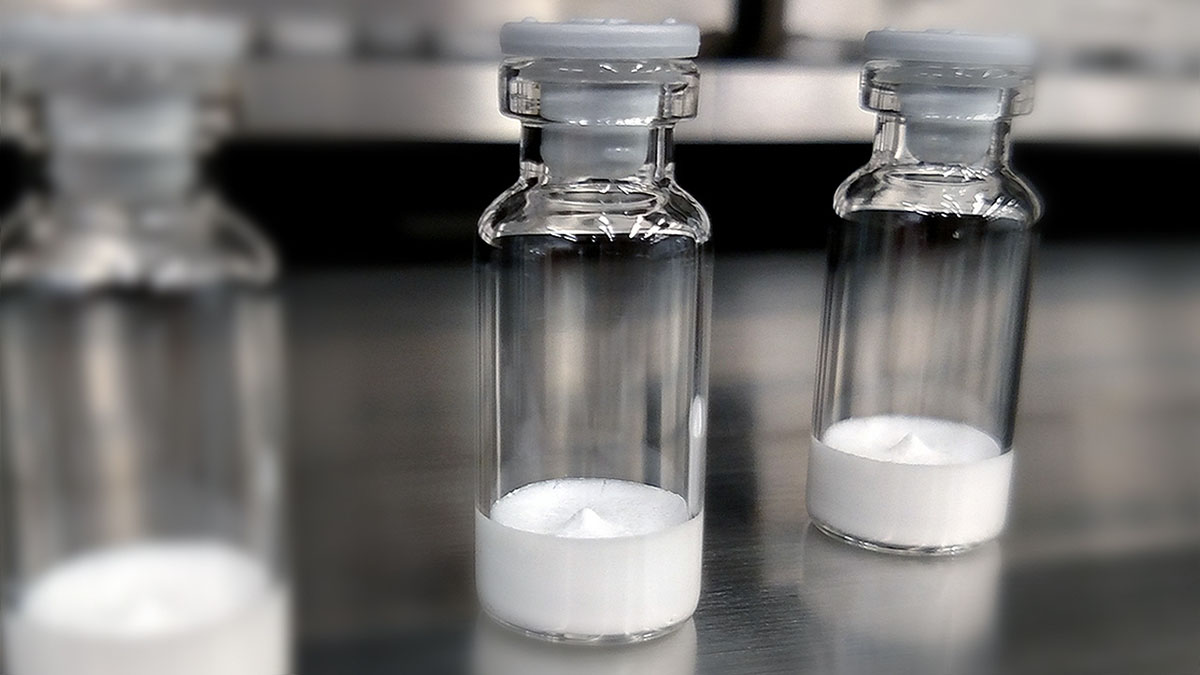

Retatrutide is an investigational metabolic medication designed to activate three key hormone receptors involved in appetite regulation and energy balance: GLP-1, GIP, and Glucagon. By targeting all three pathways simultaneously, retatrutide aims to influence blood sugar control, appetite, and energy expenditure more broadly than GLP-1–only therapies.
Unlike single- or dual-agonist drugs, retatrutide’s triple-agonist mechanism is intended to combine appetite suppression with metabolic effects that may increase calorie burning. Because of this, it has been studied primarily for conditions related to obesity and metabolic health.
In clinical studies, retatrutide has been associated with average weight loss of around 24.2–28.7% over longer treatment periods. This compares with tirzepatide’s ~20–22% and semaglutide’s ~15–17% mean weight loss reported in their respective trials at similar timepoints (Source).
📊 Doses used in a key Phase 2 trial
In the phase 2, double-blind, randomized, placebo-controlled study reported in the New England Journal of Medicine, participants with obesity received weekly subcutaneous retatrutide at several dose levels over a 48-week period:
- 1 mg
- 4 mg (with an initial dose of 2 mg for dose escalation)
- 8 mg (with initial dose of 2 mg or 4 mg)
- 12 mg (with initial dose of 2 mg)
These dosing groups were compared with placebo. Participants were randomly assigned to these doses, and the dose was typically initiated at a lower amount before escalating to the higher target dose.
📈 What that trial showed
At 24 weeks, mean percentage weight change from baseline in the retatrutide arms was approximately:
- –7.2% (1 mg)
- –12.9% (4 mg)
- –17.3% (8 mg)
- –17.5% (12 mg) compared with –1.6% with placebo. At 48 weeks, the weight reductions were approximately:
- –8.7% (1 mg)
- –17.1% (4 mg)
- –22.8% (8 mg)
- –24.2% (12 mg)
Dose escalation was part of the study design, with higher final doses tied to greater average weight loss.
Is a lower starting dose safer?
A lower starting dose (such as the 1-4mg used at the lower end of dosing ranges in clinical studies) is generally considered safer, as it allows individuals to assess tolerability and identify potential side effects before any dose escalation is considered.
How long should someone stay on a starting dose?
Individuals should stay on the lowest effective dose possible, for as long as possible. As long as the individual is reaping the benefits dose escalation isn’t recommended. In clinical trials dosages over 12mg a week produced diminishing returns, with smaller additional benefits relative to the increase.
Can starting too high increase side effects?
Yes, the higher the initial dose the higher chance of side effects which may include headaches, nausea, diarrhea, stomach discomfort, constipation, and vomiting.
Does prior GLP-1 use change the starting dose?
Generally, no. Retatrutide’s triple-agonist mechanism engages additional hormonal pathways beyond those targeted by GLP-1–only or dual-agonist therapies. This may explain why some individuals report more pronounced effects at lower doses compared with semaglutide or tirzepatide.